Flexibility is shaped by more than stretching routines and exercise frequency. The clothes you wear can either support movement or quietly restrict it. A tight waistband may press into your abdomen during a forward fold. Rough seams can distract you during deep lunges. Heavy fabric may also trap heat when a mobility session becomes demanding.
This guide explores how to improve flexibility with proper workout clothing through practical, experience-based choices. Look for four-way stretch materials that move with your hips, shoulders, and spine. A stable waistband should stay in place without digging into your skin. Flat seams can reduce rubbing around the inner thighs and underarms. Breathable, moisture-managing fabric may help you stay comfortable during longer sessions. Still, no outfit can correct poor technique or force a joint beyond its safe range. Clothing supports movement; it does not replace coaching, recovery, or medical advice.
Fit matters more than brand names. Try a deep squat, overhead reach, and seated twist before buying new gear. Notice where the fabric pulls. Notice the heat.
A physical therapist or qualified trainer can help identify movement limits caused by strength, control, or injury. Personal experience also matters, because bodies respond differently to compression, fabric weight, and coverage. Some recommendations may sound obvious, yet they are easy to overlook when appearance becomes the main priority. The best workout clothing should feel almost invisible while helping you move with confidence, control, and realistic expectations.
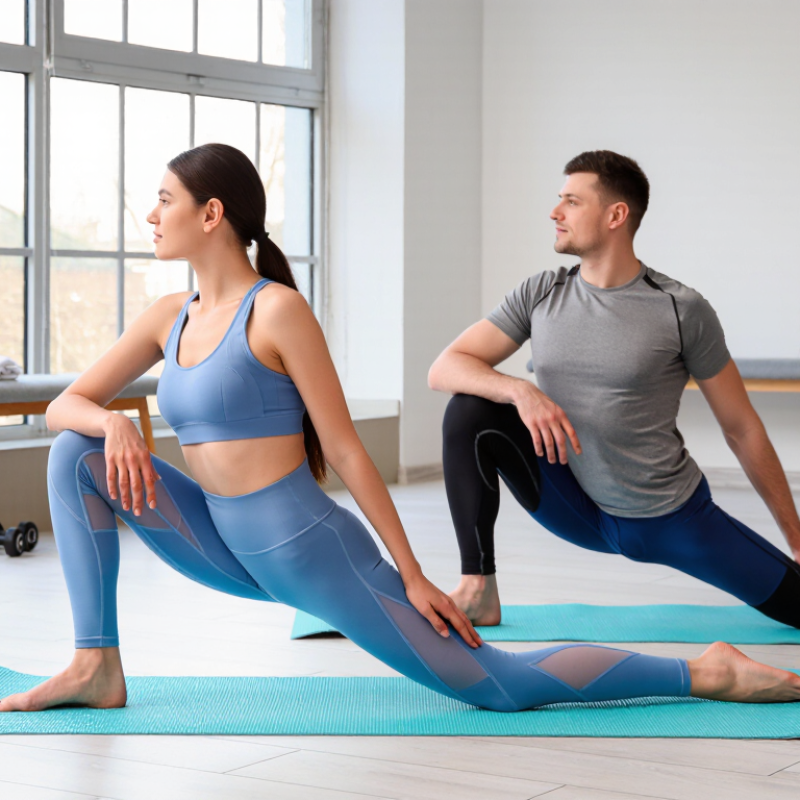
Understanding how workout clothing affects flexibility can change the quality of every session. Fabric, seams, and waistbands influence how freely your body moves. During deep squats, stiff material may pull across the hips and knees. Tight waistbands can also restrict breathing when you bend or stretch. I have noticed this most during mobility training, especially after several minutes of movement. A comfortable first impression is not always enough.
Tips: Choose four-way stretch fabric for lunges, squats, and overhead reaches. Check the garment while moving, not just while standing. Lift one knee, rotate your shoulders, and touch your toes. If the fabric twists or digs into your skin, try another size or cut. Flat seams can reduce rubbing around the inner thighs. A supportive fit should feel secure, never restrictive.
Breathable material helps maintain comfort as body heat rises. Sweat can make some fabrics heavy or clingy, which may affect smooth movement. Look for clothing that dries reasonably quickly and stays opaque during stretching. Still, no fabric solves every problem. My preferred fit may feel loose to another athlete. That is worth remembering. Test workout clothing through a complete routine before relying on it for demanding training. Movement should remain natural, even when the exercise becomes difficult.
Choosing stretchable fabric can make movement feel smoother and less distracting. Look for four-way stretch, which expands across and along the body. Nylon blended with elastane often provides strong flexibility and reliable recovery. Polyester blends can also work well, especially during sweaty training sessions. A soft touch matters too. Rough fabric may cause irritation around the waist, shoulders, or inner thighs.
Tip: Test the fabric before buying. Pull it gently in different directions, then release it. It should return quickly without becoming loose or wavy. Bend, squat, and reach while wearing the garment. If the fabric pulls across your knees, it may limit deep movement. Flat seams can reduce rubbing during repeated exercises. I once chose a very stretchy pair that felt comfortable, but its waistband rolled during lunges. Stretch alone was not enough.
Tip: Check the fabric weight and fit together. Lightweight material can feel free, but it may become transparent during squats. Thicker fabric can offer support, yet excessive compression may restrict breathing. Choose a close fit without pressure marks. Moisture-wicking fibers help reduce the heavy, damp feeling during long workouts. However, fabric claims are not always consistent. Wash the clothing according to its care instructions and reassess its stretch afterward. My judgment has changed after several washes. Some fabrics recover well, while others slowly lose their shape.
Top Tips to Improve Flexibility With Workout Clothing
Selecting comfortable clothing can make movement feel easier and more controlled. Your fit should support your body without restricting natural motion. In my own workouts, I once chose tight leggings because they looked secure. After several squats, the waistband pressed into my stomach. I could move, but I could not focus. That experience changed how I judge workout clothing. Comfort matters.
For yoga or stretching, choose soft, flexible fabric with flat seams. Check whether the material stays in place during forward bends. Loose tops may fall over your face during downward-facing poses. For running, look for lightweight fabric and secure waistbands. Walk, jog, and raise your knees before buying a new outfit. This simple test can reveal tight areas. For cycling, padded shorts and a close fit can reduce friction. However, excessive compression may feel uncomfortable on longer rides.
Strength training requires clothing that moves with your hips, shoulders, and knees. Choose stretchable fabric around the seat and upper back. Avoid thick zippers or hard buttons near benches and lifting equipment. I still sometimes overlook sleeve length. Long sleeves can catch during resistance exercises. A full-length mirror can help you check shoulder movement and fabric pulling. Wash new clothing before serious training, because some materials change shape slightly. Never ignore numbness, pinching, or repeated rubbing during exercise.
| Exercise Type | Main Movement Needs | Recommended Fit | Useful Clothing Properties | Practical Fit Tips | Avoid |
|---|---|---|---|---|---|
| Yoga and Pilates | Deep bends, hip rotation, stretching, floor-based movement | Close-fitting without compression that restricts breathing or joint movement | Four-way stretch, soft hand feel, opaque fabric, flat seams | Check that the waistband stays in place during forward folds and that fabric is not see-through when stretched | Loose tops that fall over the face, rigid waistbands, bulky pockets |
| Running | Repeated hip and knee flexion, arm swing, stride extension | Streamlined fit with freedom around the hips, shoulders, and knees | Lightweight stretch, moisture management, quick drying, low-friction seams | Choose shorts or tights that do not ride up, chafe, or limit the stride | Heavy cotton, restrictive waistbands, excess fabric around the legs |
| Strength Training | Squats, lunges, hip hinging, pressing, pulling | Secure fit with stretch panels at the hips, knees, shoulders, and upper back | Durable stretch fabric, reinforced seams, sweat-wicking construction | Perform a bodyweight squat and overhead reach before training to check for pulling or exposure | Unstable drawstrings, very thin fabric, seams placed directly over high-friction areas |
| Cycling and Spinning | Sustained hip flexion, repetitive pedaling, limited torso movement | Close fit that stays smooth while seated and does not bunch behind the knees | High stretch, breathable panels, moisture control, smooth or padded seat area when appropriate | Test the garment in a seated position; ensure the waistband does not dig into the abdomen | Loose hems that can catch on pedals, thick seams, non-stretch woven fabric |
| Dance and Barre | Large ranges of motion, balance work, turns, leg extensions | Body-skimming fit that allows instructors or the wearer to monitor alignment | Flexible fabric, lightweight construction, breathable mesh or panels | Check that armholes and necklines remain comfortable during overhead movements | Excessively loose layers, stiff decorative details, restrictive armholes |
| Hiking and Outdoor Training | Stepping over obstacles, climbing, squatting, and changing terrain | Relaxed athletic fit with room for layering and unrestricted leg movement | Stretch woven fabric, abrasion resistance, weather protection suited to conditions | Lift one knee high and take a long step to confirm that the seat and crotch do not pull | Skin-tight layers that limit layering, overly long hems, non-breathable plastic-like materials |
| High-Intensity Interval Training | Jumping, sprinting, burpees, rapid direction changes | Secure athletic fit with enough stretch for explosive movement | Quick-drying fabric, breathable zones, supportive construction, low-chafe seams | Do several jumps and a deep squat to confirm that the garment stays secure | Unsecured straps, slippery hems, heavy fabrics that retain sweat |
| Swimming and Water Exercise | Shoulder rotation, hip extension, kicking, and continuous water resistance | Secure, close fit that remains comfortable when wet | Chlorine-resistant or water-suitable stretch, secure straps, smooth construction | Move both arms overhead and rotate the torso to check coverage and strap stability | Loose garments, unsecured ties, absorbent fabrics that become heavy in water |
General fit check: Clothing should allow a full squat, a forward bend, an overhead reach, and a comfortable walking stride without pinching, slipping, chafing, or becoming transparent under tension.
Layering should increase mobility, not simply add warmth. Start with a close, breathable base layer that follows the body without squeezing it. Flat seams can reduce rubbing around the shoulders, waist, and inner thighs. A lightweight middle layer should stretch across the back when you reach forward. Keep bulky fabric away from elbows and knees. Otherwise, the outfit may feel warm but restrict basic movement.
Design details often decide whether clothing supports real exercise. Look for gusseted panels near the crotch, shaped sleeves, and articulated knees. These features give fabric more room during squats, lunges, and climbing movements. A slightly longer back panel can prevent exposure during forward bends. Thumb openings may steady sleeves, but they should not pull against the wrists. Adjustable hems can help, though tight cords sometimes become distracting.
Test the complete outfit before relying on it outdoors. Walk, reach overhead, rotate your torso, and sit into a deep squat. Notice where fabric pulls or gathers. I sometimes choose a thinner layer instead of a warmer one, then regret it in cold wind. That mistake taught me to judge clothing during movement, not while standing still. Leave enough space for comfortable breathing, but avoid loose layers that catch on equipment. Fit is personal, and one design will not suit every body.
Workout clothing keeps you flexible only when its stretch fibers remain healthy. Textile Exchange’s Materials Market Report 2024 estimates global fiber production reached 124 million tonnes in 2023. That growth makes garment care more important, especially for synthetic performance fabrics. After each workout, air the clothing before washing it. Sweat, salt, and body oils can settle into elastic fibers. A quick rinse helps when the garment is only lightly used. I used to wash everything immediately. That habit was convenient, but not always necessary.
Follow the care label, even when the instructions seem overly cautious. Use cool water and a mild detergent without excessive softener. High heat can weaken elastane and distort compression panels. The International Organization for Standardization’s ISO 6330 standard provides controlled procedures for domestic textile washing and drying tests. Your home cycle is less predictable, so gentler settings offer a safer margin. Turn garments inside out, close zippers, and avoid rough towels during washing. Air-dry them flat or on a wide hanger, away from direct sunlight. Never twist a wet pair of leggings aggressively.
Check the waistband and knee panels monthly. Look for loose threads, thinning fabric, or uneven recovery after stretching. Small damage becomes uncomfortable quickly. My own mistake was storing damp shorts overnight. They developed a persistent odor, despite repeated washing. Now I dry every piece completely before folding it. Replace clothing when support no longer returns after movement, not merely when the color fades.
Look for four-way stretch that expands across and along your body. Nylon blended with elastane often offers flexibility and shape recovery. Test it.
Pull the fabric gently in several directions, then release it. It should return quickly without becoming loose or wavy. Bend, squat, and reach to check movement.
Rough material may irritate your waist, shoulders, or inner thighs. Soft fabric can make repeated movement more comfortable. Small details matter.
Yes. I once chose highly stretchy clothing, but its waistband rolled during lunges. Stretch alone did not solve the problem.
Lightweight fabric may feel free, but it can become transparent during squats. Thicker material may provide support, yet excessive compression can restrict breathing. Check both weight and fit.
Choose soft, flexible fabric with flat seams. The material should stay in place during forward bends. Loose tops may fall across your face.
Choose lightweight fabric with a secure waistband. Walk, jog, and raise your knees before buying. This can reveal tight areas around your hips or thighs.
Cycling clothing should fit closely and may include padding to reduce friction. Strength-training clothing needs stretch around the hips, shoulders, and knees. Avoid hard buttons or thick zippers near benches.
Some materials change shape after washing. Follow the care instructions, then reassess stretch and recovery. My judgment changed after several washes.
Improving flexibility during exercise is not only about stretching; the right workout clothing can also make movement easier and more comfortable. This guide explains how to improve flexibility with proper workout clothing by choosing soft, stretchable fabrics that move naturally with the body. Clothing should provide enough room for bending, reaching, squatting, and extending without pulling, pinching, or restricting circulation. A comfortable fit is important for different activities, whether practicing yoga, performing strength exercises, dancing, or completing cardio workouts.
The article also explores how thoughtful design features, such as flexible waistbands, breathable panels, and lightweight layers, can support mobility and temperature control. Layering should allow easy removal or adjustment as the body warms up, while seams and closures should remain comfortable during repeated movement. Finally, proper washing, drying, and storage can help preserve fabric elasticity and maintain long-term flexibility performance, ensuring workout clothing continues to support freedom of movement over time.

Lifted Clothe